The Complete Guide to Residential Concrete Patios in Ontario
After years of working with concrete in Norfolk County and across Ontario, I have seen firsthand how a well-built concrete patio can transform a backyard. It is not just about pouring a slab and hoping for the best. It is about understanding the local climate, the ground conditions, and the expectations of homeowners who want a space that lasts. In this guide, I will share what I have learned about residential concrete patios Ontario homeowners are investing in, and what really matters when you are planning one.
Why Concrete Patios Work So Well Here
Ontario gives us four distinct seasons, and that freeze-thaw cycle is brutal on any outdoor surface. A concrete patio that is properly designed and installed handles that cycle far better than pavers or flagstone, which tend to shift and settle unevenly over time. With a concrete patio, you get a monolithic slab that moves as a single unit, especially when it has proper rebar reinforcement and a good sub-base. That is why so many homeowners in Norfolk County choose concrete for their patios. It is not just about looks; it is about longevity.
When I talk to clients about residential concrete patios Ontario has to offer, I always emphasize the importance of the base. You can have the best ready-mix concrete in the world, but if the ground underneath is not compacted and graded properly, you will get cracks. It is that simple. A good contractor will excavate at least six to eight inches, fill with granular material, and compact it in layers. That step alone separates a patio that lasts twenty years from one that needs repairs in five.
Design Options That Add Character
A plain grey slab is functional, but these days most homeowners want something with more personality. That is where stamped concrete comes in. Stamped concrete lets you mimic the look of stone, slate, or even wood, but with the durability of concrete. The patterns are pressed into the fresh surface using rubber mats, and the results can be stunning. I have seen patios in Norfolk County that look like they are made of flagstone, but they are actually stamped concrete. It is a great way to get a high-end look without the high-end price tag.
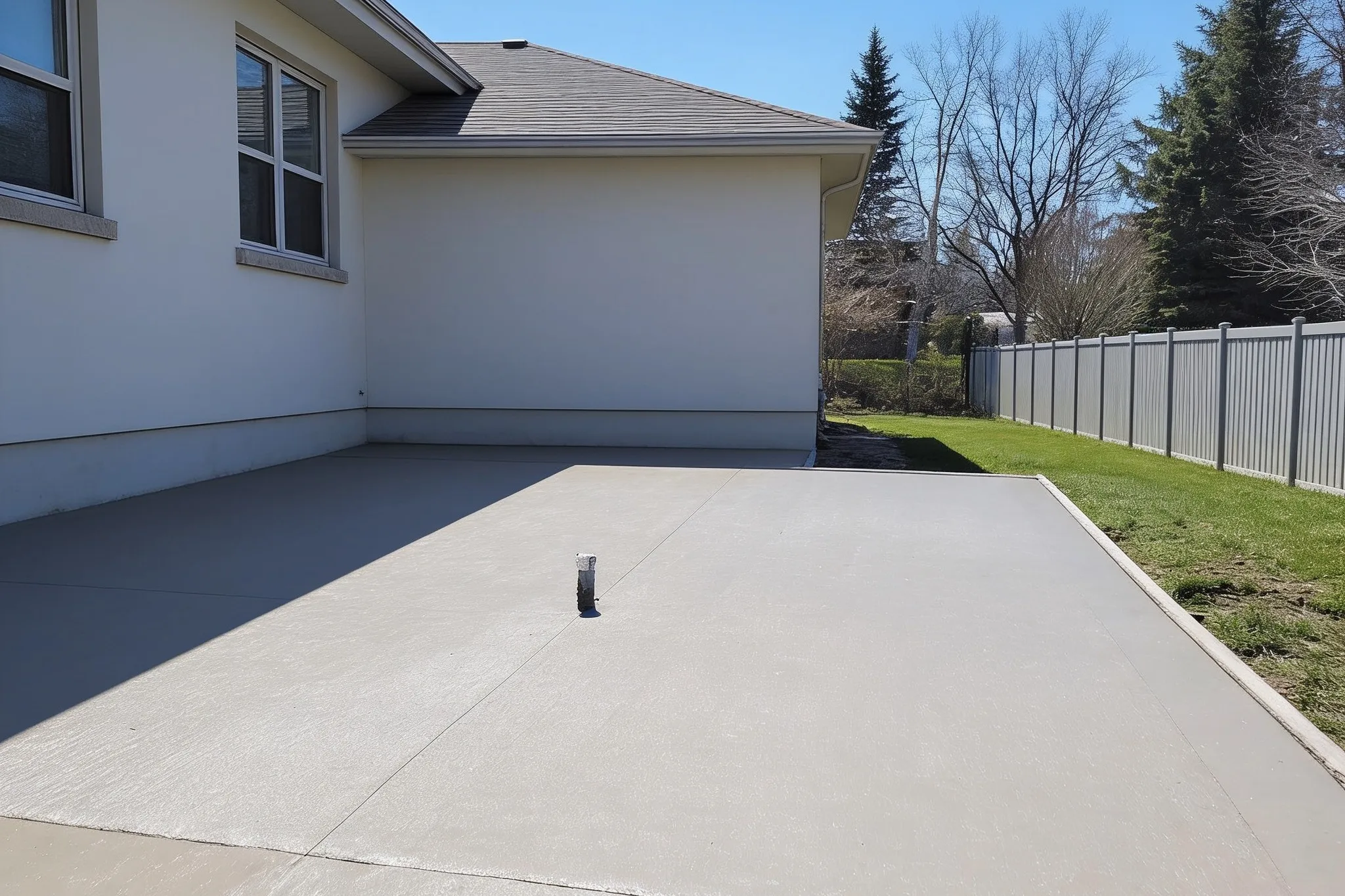
Another popular choice is exposed aggregate. This finish reveals the small stones and pebbles within the concrete mix, creating a textured, slip-resistant surface that is perfect around a pool or outdoor kitchen. Exposed aggregate patios are very durable, and they handle Ontario winters well because the rough surface gives better traction when wet or icy. The trade-off is that they can be harder to clean, and some people find the texture too rough for bare feet. But for a family with kids and pets, it is often the best choice.
Colour is another big decision. Concrete colour can be added in two ways: integral colour, where the pigment is mixed into the concrete before pouring, or a dry shake colour hardener that is broadcast onto the surface and worked in. Integral colour gives a more consistent tone throughout the slab, while dry shake colours can create richer, more varied hues. I usually recommend integral colour for larger patios because it hides wear better over time. And do not forget about concrete stain. Acid staining can give an old patio a whole new look, with variegated earth tones that look natural and warm.
The Importance of Proper Finishing and Sealing
Concrete finishing is where the skill of a union-certified crew really shows. A good finisher knows exactly when to start floating, when to edge, and when to apply a broom finish for traction. Rushing any of those steps leads to a surface that looks amateurish and may not drain water properly. I have seen too many patios where the finisher left the surface too smooth, and every rain turns it into a skating rink. A light broom finish is usually the safest bet for a residential patio.
Once the concrete is cured, a concrete sealer is essential. Sealer protects the surface from water penetration, salt damage, and UV fading. In Ontario, where we use de-icing salts on walkways and driveways, a good sealer can add years to the life of a patio. But you have to reapply it every couple of years. That is a small price to pay for keeping the patio looking good. I always tell homeowners to budget for sealer maintenance when they are planning their patio design.
What to Expect During Installation
If you are getting a free quote from a contractor, they should walk you through the whole process. Here is what a typical installation looks like for a residential concrete patio in Norfolk County:
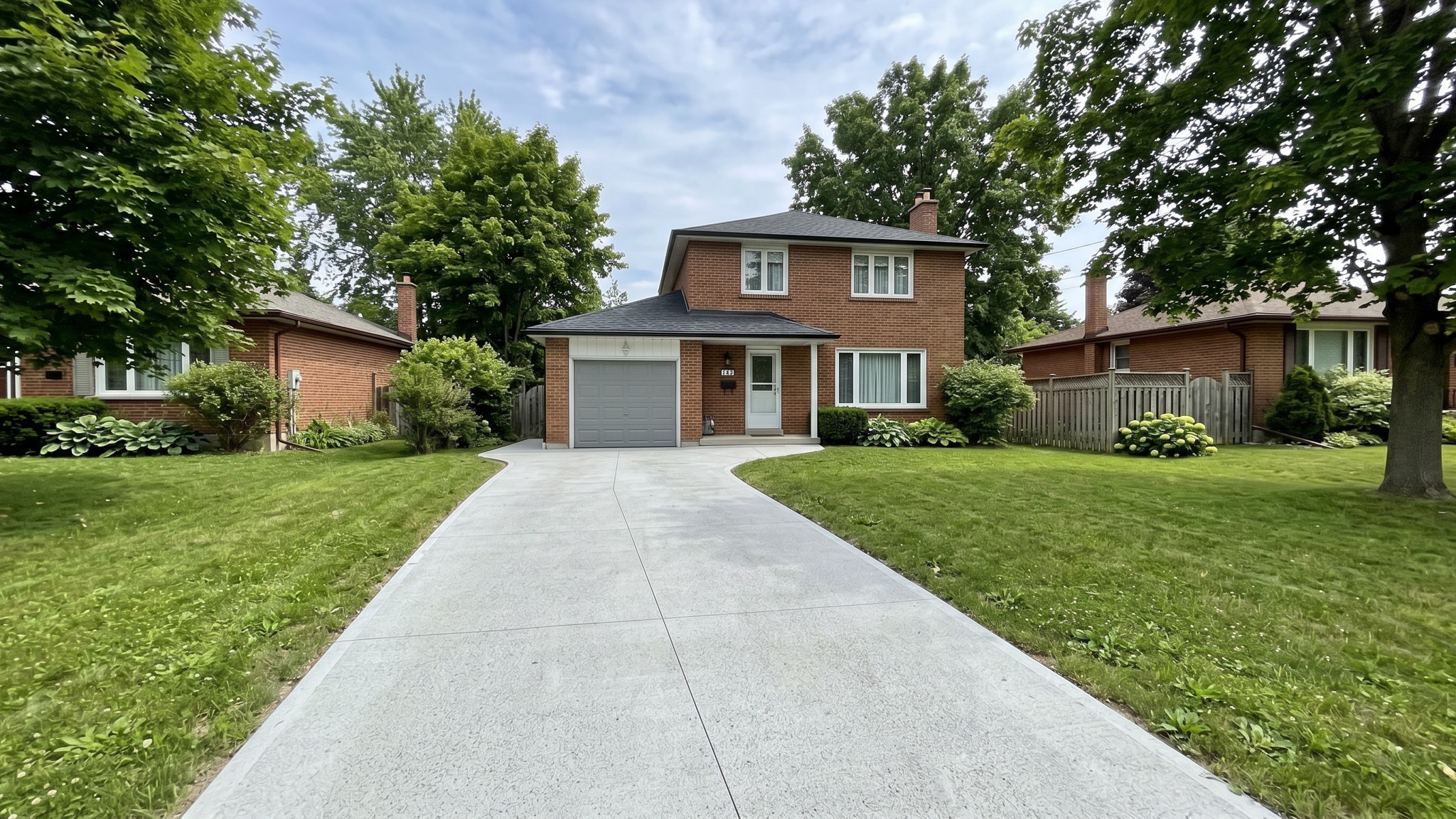
- Site preparation: marking utilities, excavating, and grading the area for drainage.
- Sub-base compaction: adding and compacting gravel or crushed stone to create a stable foundation.
- Forming and reinforcing: building wooden forms and placing rebar reinforcement or wire mesh for strength.
- Pouring and finishing: ready-mix concrete is delivered, poured, and finished by hand.
- Curing and sealing: the patio is kept moist for several days to allow proper concrete curing, then sealed.
The whole process usually takes three to five days, depending on the size and complexity. The curing phase is the most critical. If concrete dries too fast, it will crack. That is why contractors cover the slab with wet burlap or curing compounds. Patience here pays off.
Common Mistakes to Avoid
One mistake I see often is homeowners trying to save money by skipping the rebar or using wire mesh that is not properly supported. Rebar reinforcement should be placed in the middle of the slab, not lying on the ground. If it sits on the ground, it does nothing. Another mistake is pouring concrete when the ground is too dry. The sub-base will suck moisture out of the concrete, leading to weak spots. A good contractor will dampen the sub-base before the pour.
Also, do not put heavy patio furniture on a new patio for at least a week. The concrete needs time to reach full strength. Even after it seems hard, the chemical reactions are still happening. I have seen people move a barbecue onto a three-day-old slab and end up with a permanent dent.
Maintenance and Long-Term Care
A concrete patio does require some maintenance, but it is not onerous. Sweeping away debris, hosing off dirt, and resealing every two to three years will keep it looking good. If you get oil stains from the barbecue, a concrete cleaner or a poultice can lift them. For deeper stains, concrete stain can be reapplied to even out the colour.
In winter, avoid using metal shovels. Use a plastic shovel or a snow blower. And do not use de-icing salts that contain calcium chloride or ammonium sulphate. Those can eat through the sealer and damage the concrete. Plain sand or kitty litter provides traction without harming the surface.
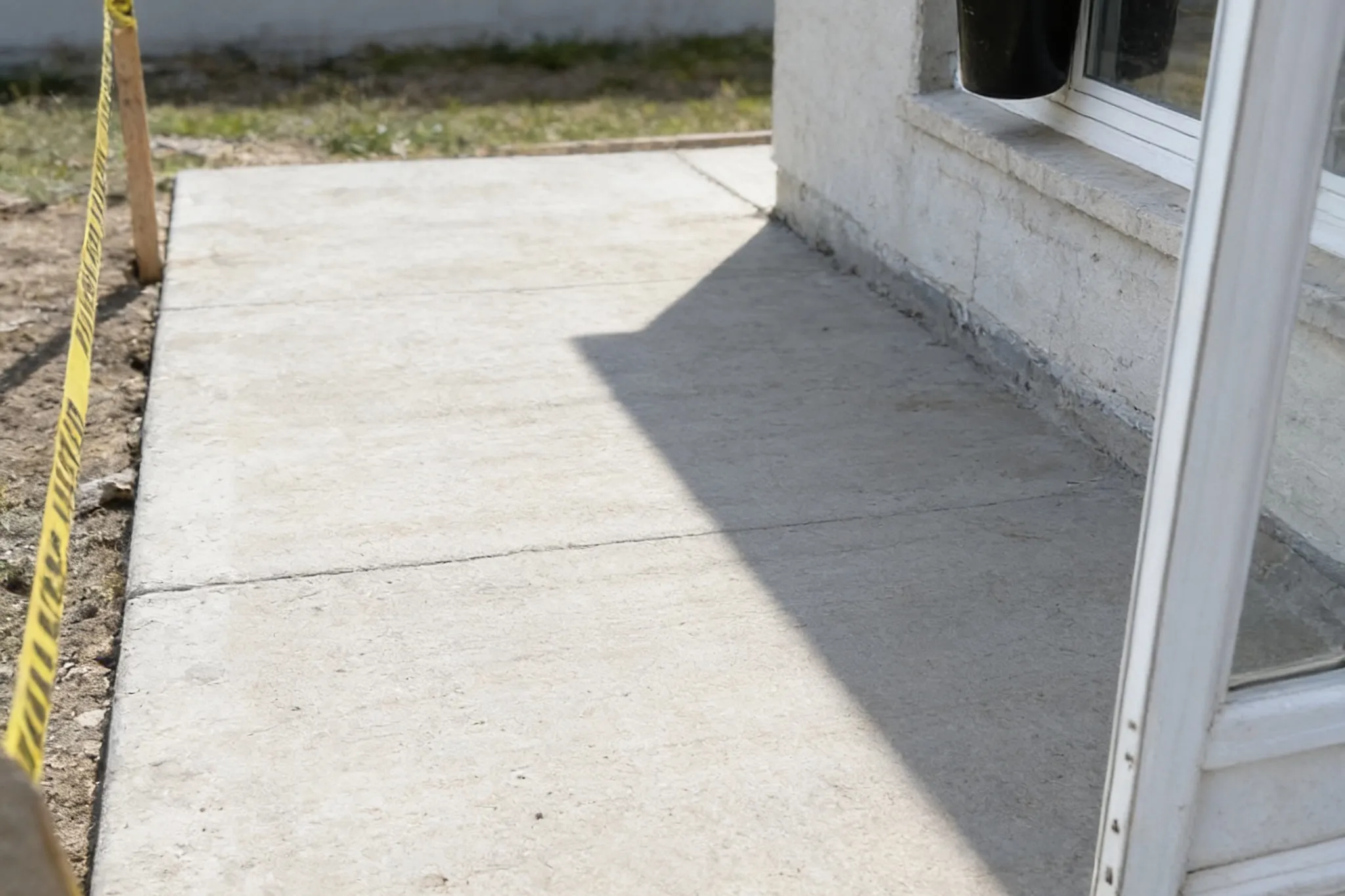
Over the years, I have seen residential concrete patios Ontario homeowners install that still look great after fifteen winters. The ones that fail almost always had a poor base, no rebar, or were not sealed. It is not complicated, but it does require attention to detail.
For anyone in Norfolk County thinking about a concrete patio, I recommend getting a free quote from a contractor who is part of the Concrete Contractors Association. That membership means they follow industry best practices and use union-certified crews. It gives you peace of mind that the job will be done right. A concrete patio is an investment in your home, and it should last for decades if it is built properly.